

Finding qualified talent quickly may seem straightforward, but hiring is full of hidden risks. A reliable background screening strategy is one of the most important safeguards HR can use to avoid bringing in candidates who may be unfit, unsafe, or misrepresenting their credentials. Because résumé inflation and omissions are common, employers need screening processes that reveal the full picture.
1. Tailor Screening to the Role
Using broad, one-size-fits-all rules—such as rejecting anyone with a criminal record or running credit checks on every applicant—can create legal exposure, especially with the EEOC. Effective screening aligns each check with the responsibilities of the job. Documenting decisions consistently also strengthens an employer’s defense in negligent-hiring claims. Criminal history should be evaluated thoughtfully, considering relevance, severity, and how much time has passed.
2. Use a Multi-Layered Screening Approach
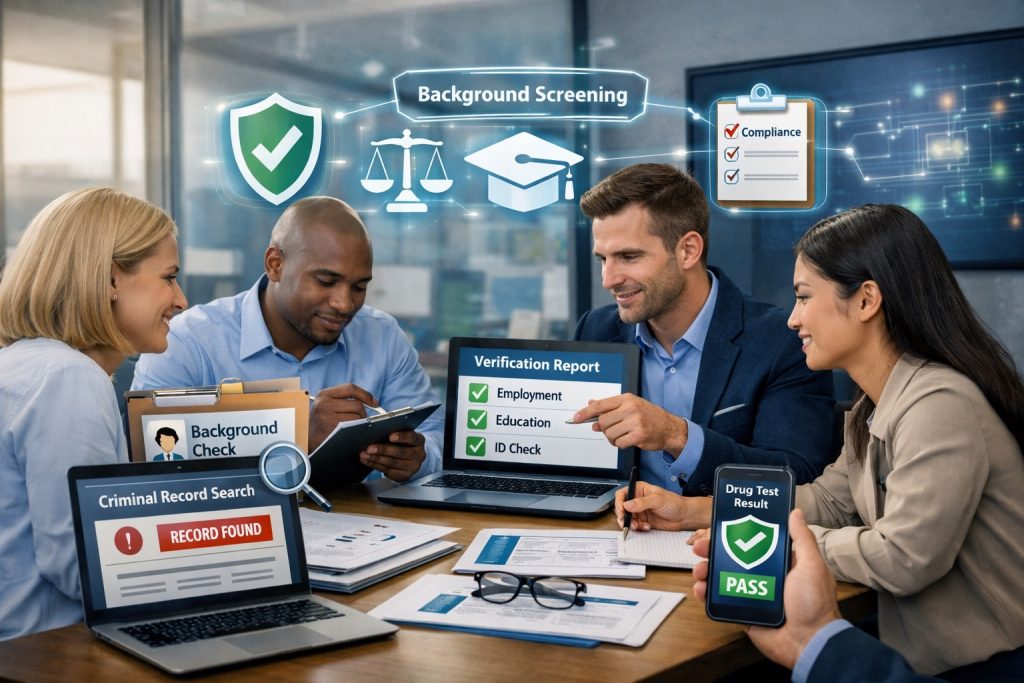
A single criminal search rarely provides enough insight. Employers benefit from combining county-level searches with national databases, social security traces, and sex-offender registry checks to uncover records in multiple jurisdictions. Verifying past employment and education is essential, as these are common areas for exaggeration. Additional tools—such as integrity assessments, credit checks for financial roles, and drug testing—help employers evaluate character, reliability, and workplace safety risks.
3. Maintain Strict Compliance
Hiring laws differ widely across states and cities, making it crucial for HR teams to stay informed about local requirements, including “ban-the-box” rules. Employers must provide clear disclosure and obtain proper authorization before conducting a background check, keeping records in case questions arise. When adverse information affects a hiring decision, the Fair Credit Reporting Act requires a defined two-step process: sending a pre-adverse notice with the report and rights summary, allowing time for disputes, and then issuing the final adverse action notice.
Strong, compliant screening practices reduce the likelihood of hiring mistakes and protect organizations from costly legal issues. By investing in thoughtful, role-specific, and well-documented procedures, HR teams create safer workplaces and make more confident hiring decisions.